Cogs184
Modeling the Evolution of Cognition
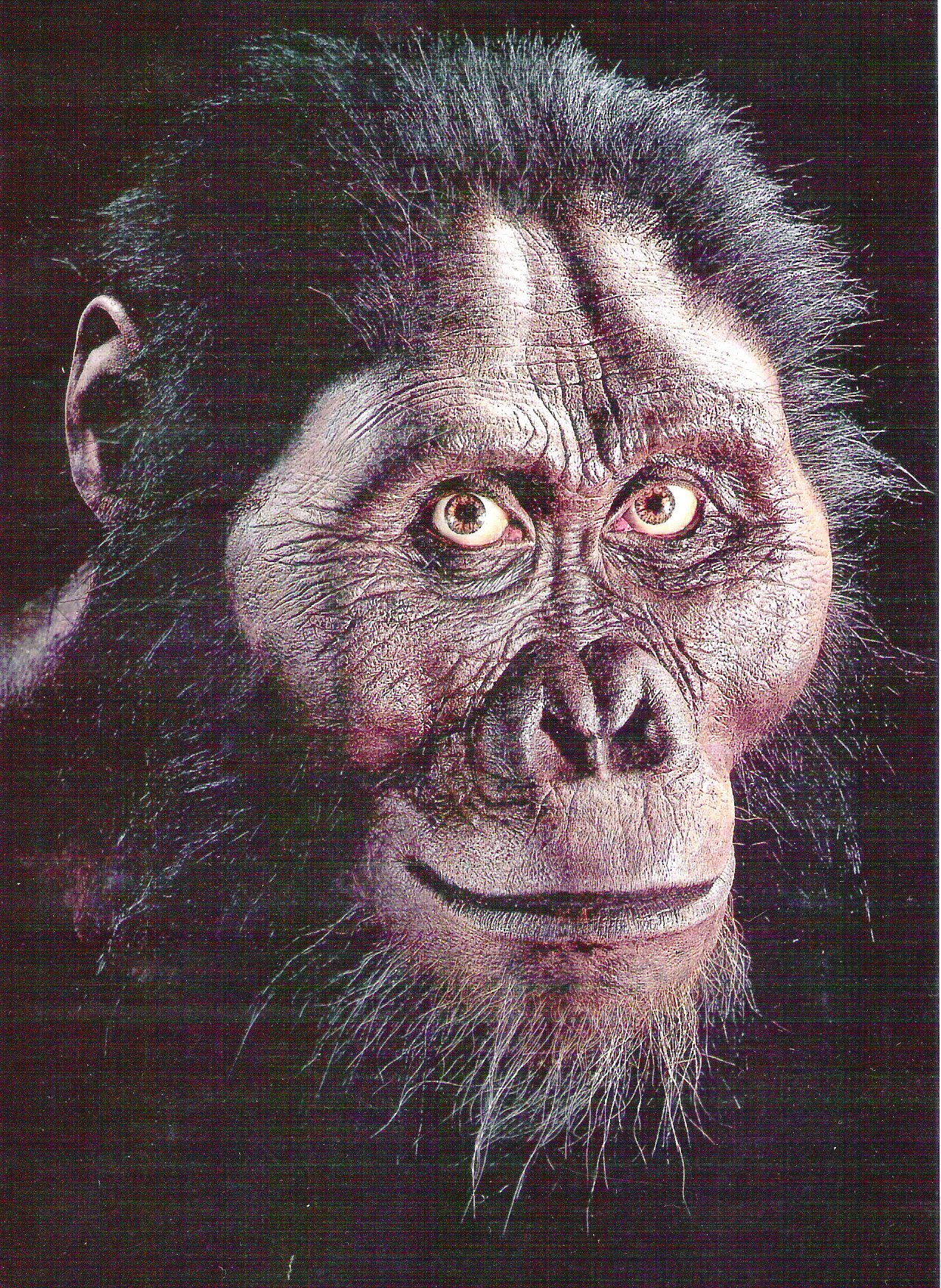
This course will review a variety of contemporary theories of the evolution of human cognition.
Lectures will cover background material on natural selection, the hominid archeological record,
comparative primate neuroanatomy, cross-species data on imitation and Machiavellian intelligence,
the development of joint attention, psycho-linguistics, and the role of culture in human cognition.
Each week, the students will read and discuss an influential paper focusing on cognitive evolution
from one of these perspectives. Before each discussion, each student will prepare a written set of
questions and comments on each paper (from Behavioral & Brain Sciences)
and on select "Peer Commentaries". Two midterm exams and a final paper will also be required.
Cogs143
Animal Cognition
Primates and Cetaceans:
Contrasts and Parallels
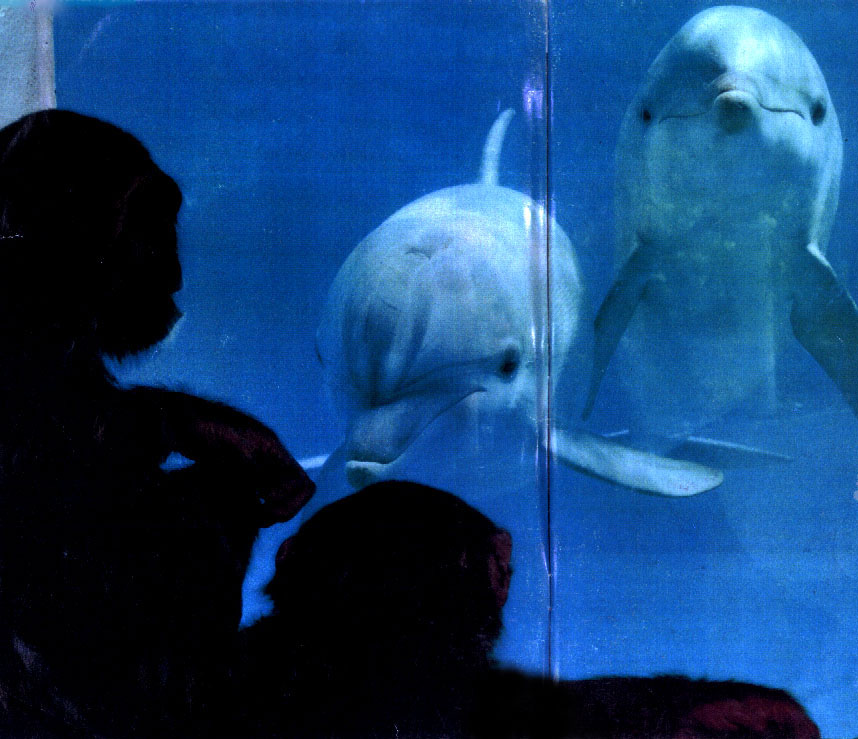
In this course we compare two orders of large-brained, highly-social mammals in order to
understand the constraints on human cognition that derive from our primate heritage and the
convergence of cognitive adaptations that we share with non-primate species. Lectures focus
on defining features of the two taxa, comparative neuroanatomy, cognitive research in the lab
including language studies, the socio-ecology of selected species, issues in social cognition,
and the emergence of culture. In addition to the presentation of this material, covered on two
midterm exams, this course also involves field trips to the San Diego Zoo to observe primate behavior,
readings on pertinent topics, an in-class poster presentation, and a final paper.
Course open to juniors and seniors only.
Cogs102A
Distributed Cognition
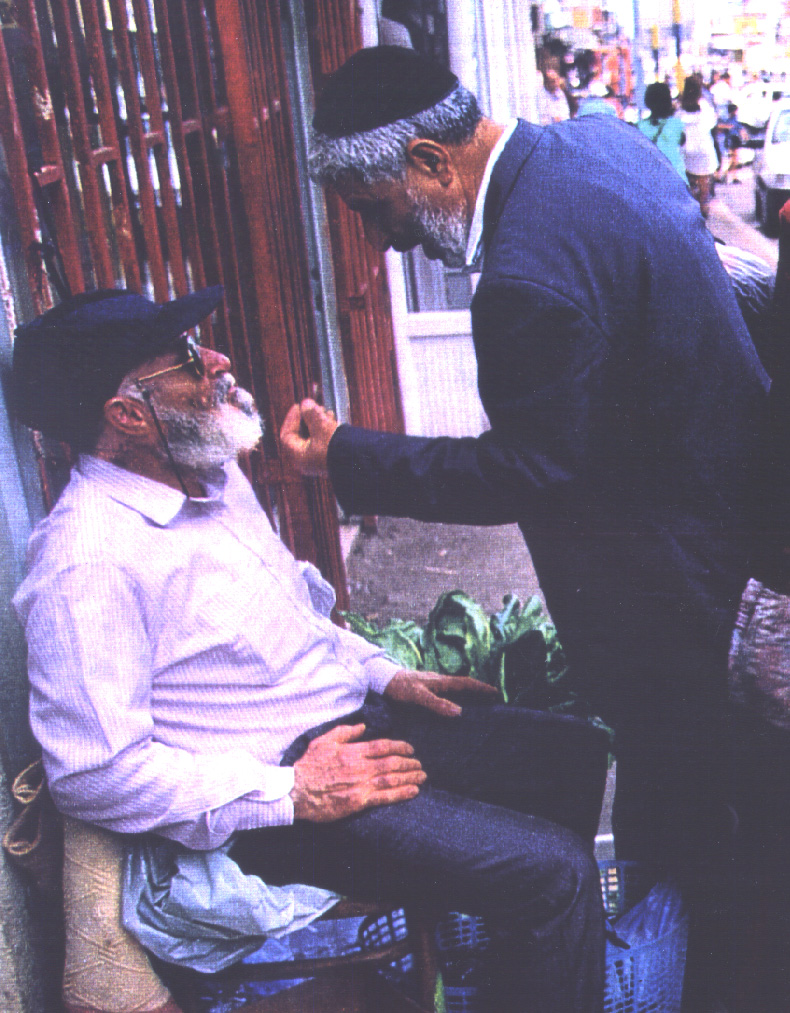
This course approaches the study of cognition as a distributed phenomenon, shifting the
typical focus away from invisible mental processes "in the head" to examining cognitive
systems that involve multiple participants and their physical and social environments.
Lecture topics include Cognitive Ecology, The Cognitive Use of Space, Cognitive Artifacts and
Epistemic Practice, Emergence in Cognitive Development, Attribution and Social Tool Use, and
Discourse Analysis. Labs following each lecture will enable students to engage with the
theoretical and methodological implications of this research - such as the Emergence and
Function of System-level Properties, Ecological Perception, Cognitive Ethnography, Scaffolding,
and Conversational Analysis. Two midterm exams and a final Research Design Project are also required.
Cogs17
Cognitive Neuroscience
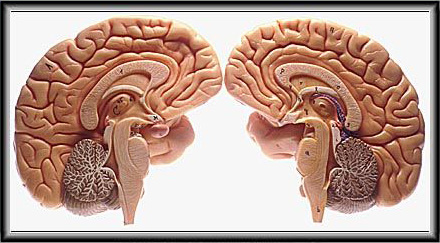
In this introduction to Neuroscience, the fundamentals of neuroanatomy and neural functioning
are reviewed. Topics include the structure of the central and peripheral nervous systems, the
functioning of neurons, sensory and motor processes, sleep and dreaming, the regulation of
internal states, hormones and behavior, emotion, lateralization and language, and learning
and memory.
Cogs101A
Human Perception
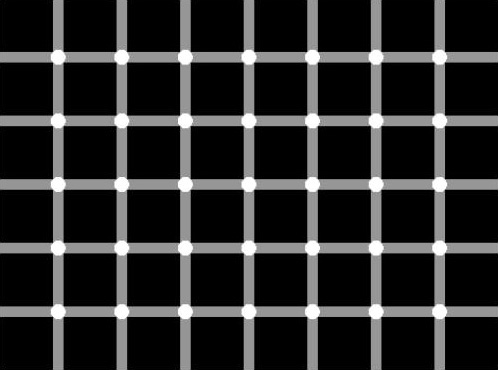
In this course on human perception, both neuroanatomical and psychophysical data are reviewed.
Much of the course focuses on vision, including such topics as the design of the eye, vision's
dual receptor system, pathways of information flow, contrast and spatial frequency, color
trichromy and opponency, movement, depth and size, and Gestalt organization. Theoretical
perspectives include bottom-up, top-down and ecological models of perception. The structures
and processes involved in the auditory the somatosensory systems are also considered. This
course also has a lab component in which students reproduce classic experiments in perceptual
psychophysics, explore the boundaries of the human perceptual reality, and otherwise engage
with a variety of stimulating materials to better understand the constraints on human perception.
Cogs199
Dolphin Cognition Laboratory
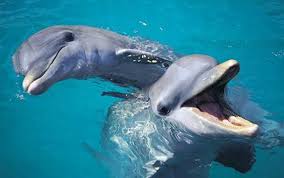
The focus of this internship varies. Current projects involve both experimental and observational studies of Bottlenose Dolphins. The observational studies examine audio and video recordings of a community of seven animals at Brookfield Zoo, Chicago, and focus on topics such as Imitation and Social Markets. Experimental studies address issues in Social Attribution and Perspective Taking. 4 units of Cogs 199 credit per term; a two-term commitment is required. For an APPLICATION, contact Dr. Johnson at: c8johnson@ucsd.edu
Cogs260 Imitation
Graduate Seminar, Fall 2016
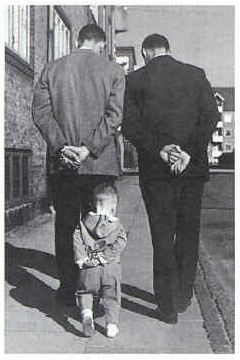
This course will examine research and theory on imitation from a variety of
Perspectives. We will look at imitation in nonhumans, to get a sense of the range of
mechanisms that can be responsible for behavioral replication. We will review
neurological data in humans linked to imitative processes. We will discuss the
emergence of imitation in human evolution by exploring theoretical arguments from
paleo-biology on the rise and con sequences of mimesis, and computational modeling
accounts of imitation in robots. We will consider imitation in human development,
looking both at its function in the emergence of language and the tole it plays in
mediating and revealing social relationships. We will also examine imitation in adults,
including its effects on prosociality and its role in semiotic discourse. Participants
will be expected to read and discuss the assigned papers, act as facilitator for at
least one discussion, and write a final paper integrating and expanding this
inter-disciplinary literature.
Page last updated: Winter 2018